
Landscape Curbing Equipment | Concrete Edging Tools for Smooth Curb Installation
Professional concrete curbing starts with the right tools. Whether you’re installing decorative garden borders or high-volume commercial curbs, using quality landscape curbing equipment ensures precision, speed, and a polished finish every time. In this guide, we’ll break down the essential tools, compare manual vs. powered setups, and share practical tips to help you choose the right setup for your next curb installation.
What Is Landscape Curbing Equipment?
Landscape curbing equipment includes all the tools and machines used to shape, install, and finish concrete edging. This ranges from curb extruders and slipform machines to hand trowels, edging tools, and shaping molds. These tools are critical for creating clean, durable, and visually appealing curbs for driveways, gardens, sidewalks, and commercial properties.
Core Tools Used in Concrete Curb Installation
A typical curbing setup includes:
- Curb machines: Extruder-style for landscape borders or slipform models for larger pours
- Concrete mixers: For consistent mix preparation on-site
- Trowels and hand edgers: For shaping and smoothing curbs after the pour
- Groovers and jointers: For expansion control and clean separation lines
- Molds and forms: To create specific curb styles and profiles
- Compaction and grading tools: For subgrade prep and base stabilization
Each tool plays a role in producing high-quality edges that last.
Choosing the Right Equipment for the Job
The right tools depend on your project. Smaller decorative runs might only need a trowel set, mixer, and edging molds. But large commercial jobs require powered curb machines, mixers, and finish tools to handle volume and maintain speed. Always match the equipment to:
- Curb profile requirements
- Surface type and slope
- Concrete mix type
- Available labor and budget
If you’re unsure, contact CurbScaping Tampa Bay for tool and equipment recommendations.
Manual vs. Powered Equipment
Manual Tools:
- Lower upfront cost
- Better for small residential projects
- Require more labor and finishing time
Powered Equipment:
- Faster and more consistent installs
- Ideal for commercial-scale work
- Higher rental or purchase costs, but better ROI on volume
For growing landscaping businesses, investing in or renting powered equipment is a smart step toward scaling services efficiently.
Cost Breakdown and ROI
Expect to pay:
- $50–$200/day for tool rental (trowel sets, molds, mixers)
- $200–$500+/day for curb machine rentals
- $2,000–$10,000+ to purchase new or used curb machines, depending on model and attachments
Renting is a great option for contractors testing the service or handling occasional installs. For full-time curbing businesses, ownership offers better long-term value and flexibility.
Maintenance and Lifespan
Concrete edging tools last longer when properly cared for:
- Rinse tools immediately after use
- Prevent rust with oiling or dry storage
- Replace worn trowel blades or mold parts as needed
- Store powered machines in dry, secure conditions
With proper upkeep, high-quality curb installation equipment will last for years.
Tips for Better Results
- Prep the surface—level, compacted, and dry
- Use the correct concrete mix for your machine and project
- Match your molds to the design spec before pouring
- Avoid over-troweling, especially on hot days
- Inspect the finish under angled light to catch any flaws early
Best Use Cases for Landscape Curbing Equipment
- Driveway borders
- Commercial parking lot dividers
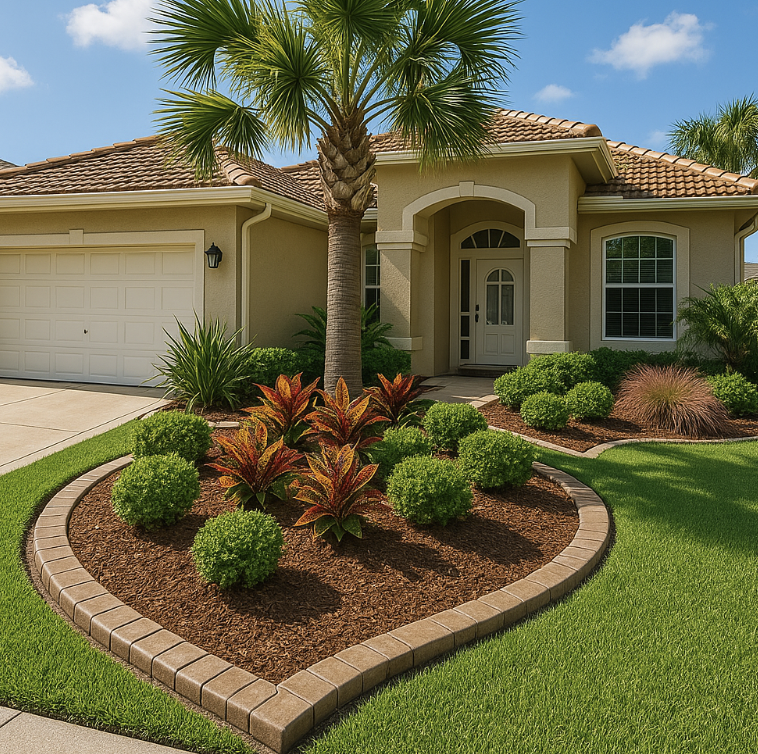
- Decorative concrete edging
- Garden and lawn separation
- HOA and municipal sidewalk projects
Looking to explore more edging styles? See our Decorative Concrete Options for mold inspiration and design ideas.
Call to Action
Need help choosing the right curbing setup for your next project? Contact CurbScaping Tampa Bay for expert recommendations or to request a quote on professional curb installation.




One Comment
Comments are closed.